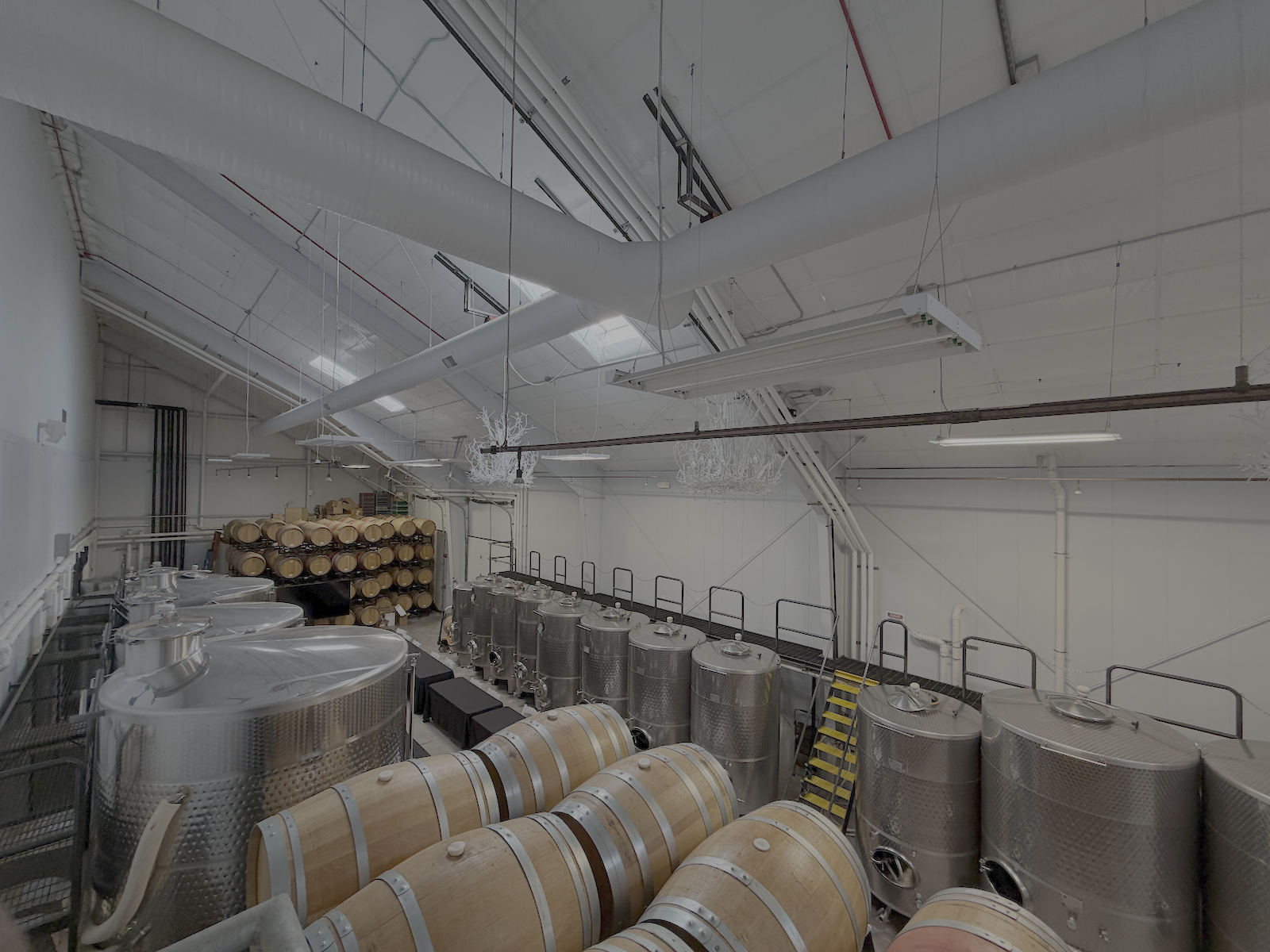
Boordy Vineyards has been making wine on 50 acres in Hydes, Maryland for generations — the oldest continuously operating winery in the state. Rob Deford and his son Phineas run it today. The decisions they make about this land aren't just about this season; they're about what Boordy looks like in another eighty years.
Phineas had been thinking hard about modernization. He'd watched a neighboring family winery, Linganore Winecellars, work with Ampere to analyze the ROI for electric tractors and solar — the kind of evaluation that's hard to do without a dedicated team. When they told him to call Ampere, he did. His questions were practical: how do electric tractors perform in a working vineyard, what do they cost, and how do you fund them? When Ampere visited, those questions quickly expanded into something larger.
I was asked recently how AI is affecting the wine industry, and Boordy specifically. At the time, I didn't have a good answer — but after working with Ampere, I see how AI can offer real insight into our energy use, and how we can lower costs.
Phineas Deford · Boordy Vineyards
THE CHALLENGEHidden in plain sight
Boordy was spending $69,300 a year across electricity, propane, diesel, and heating oil — with no clear picture of where that money was going. Nine buildings. Five fuel types. A 40-horsepower glycol chiller installed in 2013, running continuously on a refrigerant now being phased out by federal law. Two rooftop HVAC units near end of life. No sub-metering. No energy management system.
The complexity wasn't unusual — it was the natural result of decades of decisions made one at a time, each reasonable in isolation, none visible as a system. Then in January 2026, a supplier transition pushed Boordy's electricity rate up 62% overnight, from $0.079 to $0.127/kWh. For a facility already spending $54,000 a year on electricity, that was a margin event. The energy question couldn't wait any longer.
The rate shock · January 2026
A supplier transition raised Boordy's electricity supply rate 62% — from $0.079 to $0.127/kWh. Projected annual electricity cost under the new contract: $64,000.
THE PARTNERSHIPMaryland MEP & Ampere
Ampere's first step was an introduction. Maryland MEP's e2m2 program — funded by the Maryland Energy Administration — provided the framework for a full ASHRAE Level II energy and electrification audit. For Boordy, it was the entry point into a process most manufacturers their size never access, at no direct cost.
What Ampere brought was different. GENIE — Ampere's AI model built entirely on industrial energy data — maps equipment-level consumption across complex facilities, identifies Industry 4.0 upgrades with 20–30% ROI, and matches each recommendation to the incentive programs that fund it. An audit of this scope traditionally takes months and costs $30,000–$100,000. Ampere delivers the same ASHRAE-standard analysis in days, at a fraction of the price.
This is Industry 4.0 adoption for the manufacturers we serve. Every state has businesses like Boordy — family-owned, energy bills they can't see into, incentives they can't navigate. Ampere makes that solvable in a way nothing else in our toolkit can.
Mike Kelleher · Director, Maryland MEP
WHAT AMPERE FOUNDEleven end-uses. One had been running the bill.
Boordy's entire electrical load — 298,000 kWh per year — flowed through a single BGE meter, with no way to know which equipment drove consumption. GENIE used Non-Intrusive Load Monitoring to disaggregate the total into eleven equipment-level profiles from meter data alone, calibrating to within 14% of actual metered consumption and meeting ASHRAE Level II standards.
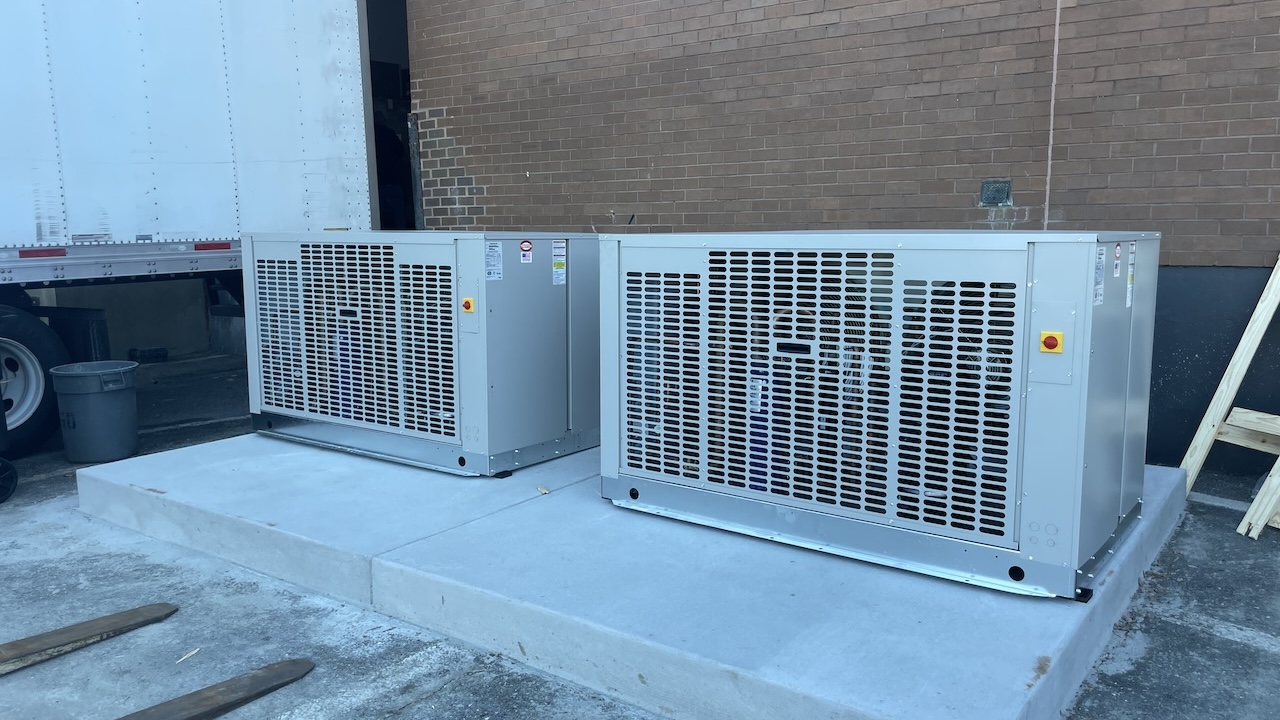
The finding that changed the conversation: the 40 HP glycol chiller — one piece of equipment, installed in 2013 — accounted for 35% of total electricity. $16,500 per year, invisible until now. It runs on R404A refrigerant, with a global warming potential nearly 4,000 times CO₂, and faces federal supply restrictions under the AIM Act.
Share of total energy cost across five fuel types — unified into one picture for the first time.
THE ROADMAPFrom visibility to action
The audit produced a phased capital roadmap — every recommendation paired with its incentive, net cost, and payback. Solar and fleet electrification, the two investments that defined why Boordy came to Ampere, anchor it.
0–6 MO
Heat pump water heater
Rheem HPLD80 · IRA Section 25C
$1,735 net · 1.9 yr payback
6–18 MO
Anchor project
Solar PV — 145 kW-DC · 326 panels
$362,500 gross → $145,000 net after ITC + MACRS
2.8 yr payback · $366K NPV · $10,732/yr SREC · $52,684/yr total benefit
Smart BMS
Industry 4.0 · BGE rebate
$13,500 net · 3.7 yr
Forklift electrification
2× electric · L2 charging
$60,000 net · O&M savings
12–36 MO
Chiller transition
R404A → low-GWP · VFD
$60,000 net · regulatory risk
York RTU replacement
Heat pump · IoT-enabled
$66,500 net · 2,200 gal propane
24–60 MO
Fleet electrification — the original question
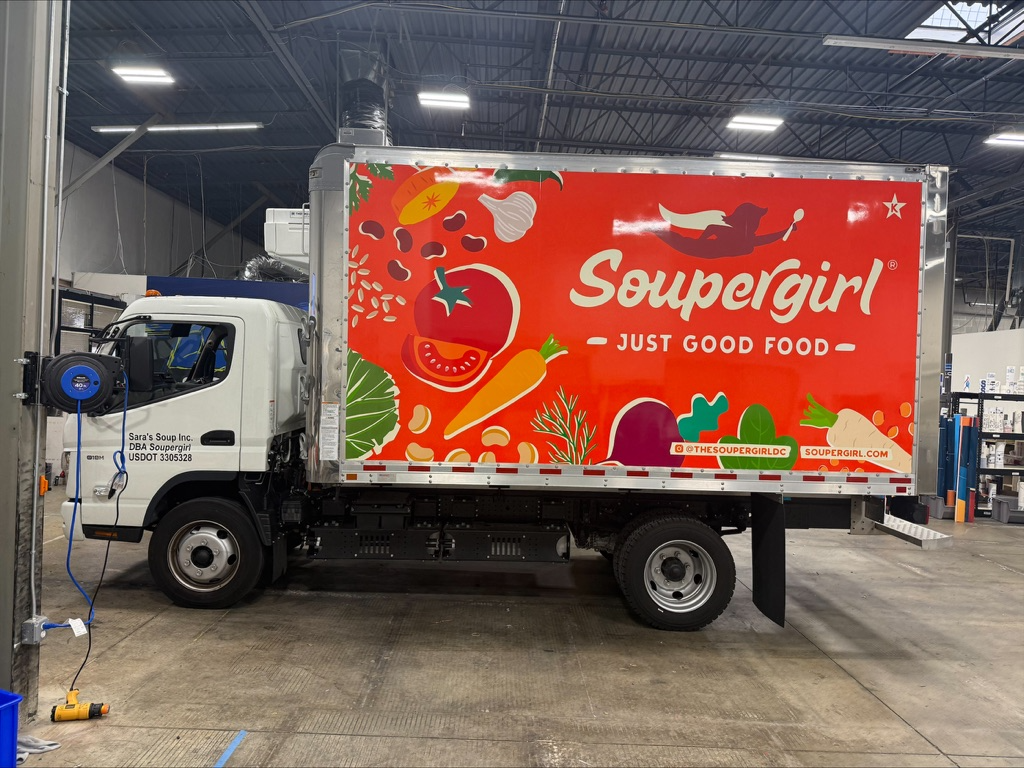
Fendt e107V Vario (2027–28) · EQIP Practice 372 · 7 diesel tractors across 2 sites
~$113,460 · ZEV grant 75% · roadmap clear, incentives identified
EV charging · 4× L2
Section 30C · visitor amenity
$16,800 net
Deadline · Jun 30, 2026
IRA Section 30C (EV charging infrastructure) expires. Install L2 stations before this date to capture the 30% credit.
IMPACTThe picture, complete
Phineas came to Ampere asking about electric tractors. What emerged was a complete picture of Boordy's energy future — and a funded roadmap to get there. For a family that has been making decisions about this land for generations, it was the first time that picture had ever existed in one place.
| Metric | Before | After upgrades |
|---|
| Annual energy cost | $69,300 | $2,300 |
| Electricity (kWh/yr) | 299,500 | 66,400 |
| GHG emissions (MT CO₂e/yr) | 138 | 46 |
| Propane consumption (gal/yr) | 5,700 | 2,950 |
The 93 MT CO₂e reduction — 67% of baseline — comes not from a single capital outlay but from a phased roadmap sequenced against available incentives. With EQIP identified, the charging timeline mapped, and the Fendt e107V on the horizon, Boordy has a clear path to electrifying its fleet on its own terms.
The incentive map
Eight programs. None self-identified — GENIE matched each upgrade to its applicable federal, state, and utility programs, and flagged the deadlines.
01IRA Section 48 ITC
40% on solar system cost
$145,000
02MACRS Bonus Depreciation
100% first-year, restored Jul 2025
$72,500
03Maryland Certified SRECs
Brighter Tomorrow Act · 1.5× · 15 yr
$10,732/yr
04IRA Section 25C
30% on heat pump water heater
$744
05IRA Section 30C
30% EV charging · expires Jun 30, 2026
Up to $7,200
06USDA REAP
25–50% · currently frozen
Monitor status
07USDA EQIP Practice 372
$1,512/HP diesel → electric tractor
~$113,460
08BGE C&I Rebates
BMS, smart thermostats
~$4,500
Seeing all our energy usage compiled onto a single page — and from that, understanding which equipment has the highest demand — is eye-opening. There's tremendous opportunity to implement meaningful change.
Phineas Deford · Boordy Vineyards
HOW IT WORKSWhat GENIE does
01
Disaggregation without disruption
Maps equipment-level consumption from meter data alone. No new sensors, no facility disruption.
02
Multi-fuel visibility
Aggregates electricity, propane, diesel, and heating oil into one site energy picture.
03
Industry 4.0 roadmap
AI-generated upgrade recommendations point toward connected, IoT-enabled equipment — the path SMBs couldn’t access before.
04
Incentive matching
Every upgrade auto-matched to federal, state, and utility programs. Deadlines flagged. Nothing left on the table.
Boordy's story is representative, not exceptional. Thousands of family manufacturers operate with the same profile: multi-decade facilities, no visibility, and incentive programs going unclaimed. For a winery that has been tending this land for generations, the question was never whether to invest in the future — it was finally having the tools to know where to start.