Let's face it: manufacturers today are caught in a perfect storm. Margins are shrinking, energy costs are through the roof, and finding good workers feels like hunting for unicorns. For many plant managers we've spoken with recently, the conversation has shifted dramatically. It's no longer just about growth—it's about survival.
The old playbook for cutting costs? It's not cutting it anymore.
Beyond Siloed Thinking
Here's what we've observed after working with dozens of manufacturing clients: we tend to manage energy, equipment, and labor as completely separate challenges. But that's not how manufacturing actually works.
When your equipment is inefficient, it doesn't just waste energy—it slows down your people. When your processes are outdated, they don't just create bottlenecks—they increase maintenance headaches and drive up utility bills. And those hidden energy drains? They're quietly eating your lunch.
The good news? Your factory floor is probably already generating mountains of useful data. The trick is turning that data into decisions you can actually use. The numbers speak for themselves: early adopters of smart-factory approaches have seen output, capacity utilization, and labor productivity jump by 10-12%. That's not just marginal improvement—it's competitive advantage.
Your Monthly Energy Bill Isn't Telling You Enough
Think about it: how many manufacturing leaders judge their energy efficiency by glancing at monthly utility bills? It's like trying to improve your personal finances by only looking at your total credit card statement without seeing what you actually bought.
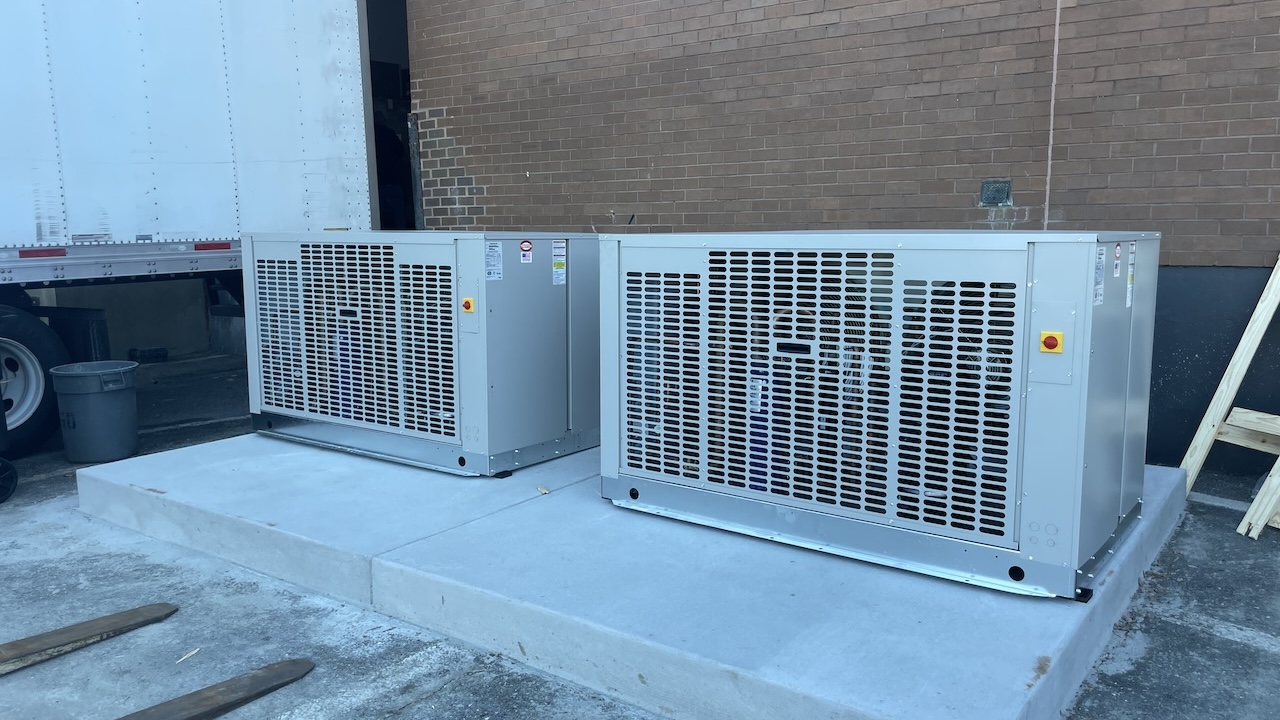
Getting granular with device-level monitoring changes everything. Suddenly, you can see exactly which chillers are cycling inefficiently or which legacy equipment is consuming energy like it's 1985. Real-world results are impressive: targeted energy audits and upgrades can cut industrial energy use by 15-32%. That's money going straight back to your bottom line.
Electrification: Not Just for the Green Team Anymore
Remember when industrial electrification was just something you did to please the sustainability folks or check a regulatory box? Those days are over.
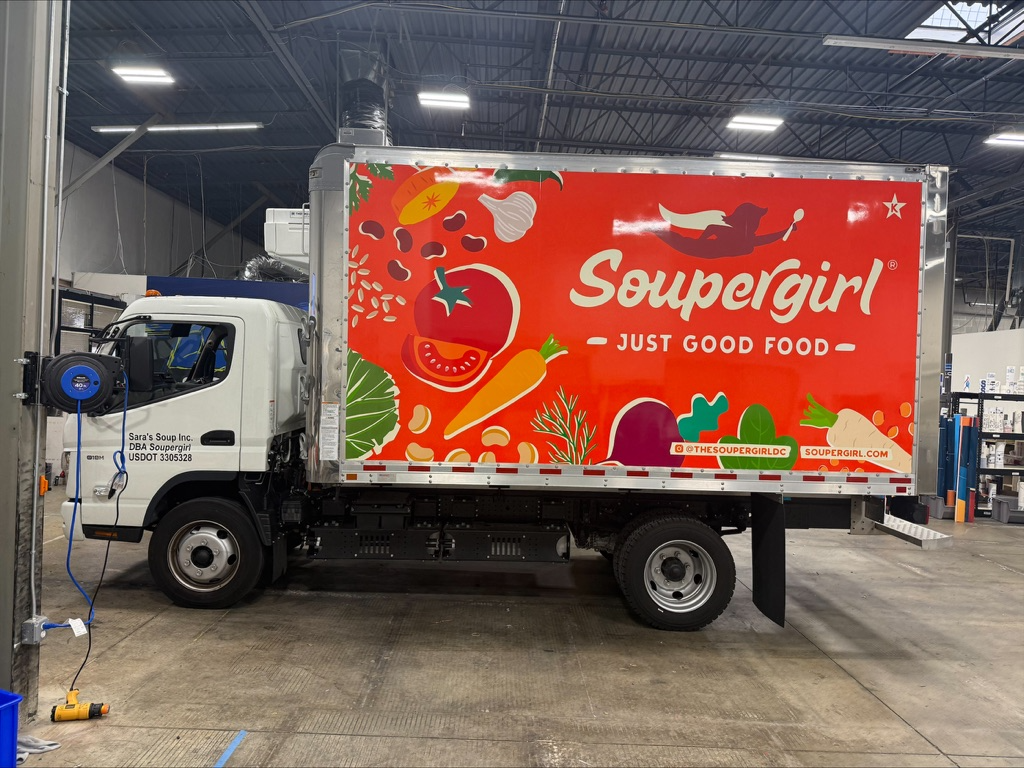
Smart, connected electrical systems—from forklifts to boilers to HVAC—now come loaded with sensors that stream real-time performance data. This shifts you from "let's check equipment quarterly" to "let's fix problems before they happen." The impact? Predictive maintenance programs cut unplanned downtime by 30-50% and extend equipment life by 20-40%.
Decisions that used to wait for weekly reports now happen instantly, optimizing your operation on-the-fly and keeping production humming.
Your Equipment Impacts Your People (More Than You Think)
We see this pattern constantly: companies pour resources into workforce development and recruitment while neglecting the tools their people actually use. The result? Skilled workers babysitting slow, outdated, error-prone machines. It's like hiring a Formula 1 driver but making them race in a 20-year-old sedan.
Modern, electrified, connected equipment makes your workforce dramatically more effective. It enables remote diagnostics, autonomous operations, and quick changeovers. When skilled labor is scarce (and when isn't it these days?), high-performing equipment becomes a force multiplier for your talent. It's no wonder nearly half of manufacturers are deploying smart-factory tech specifically to offset workforce shortages.
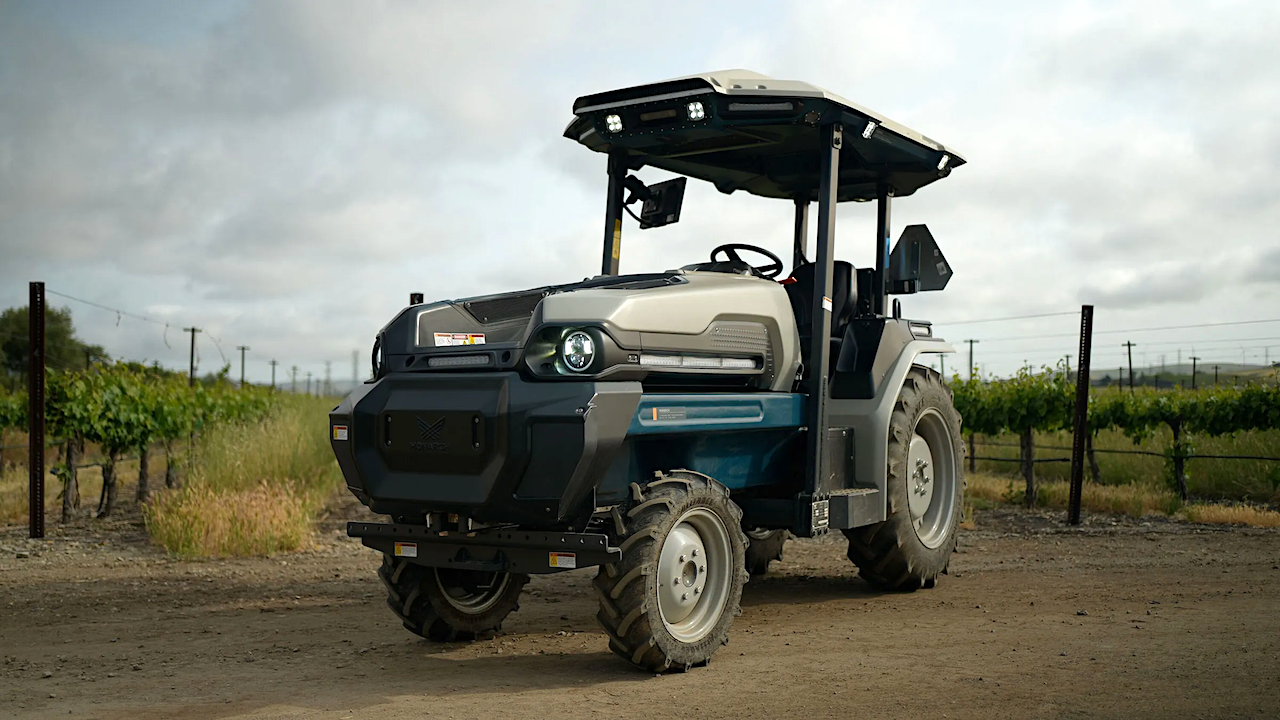
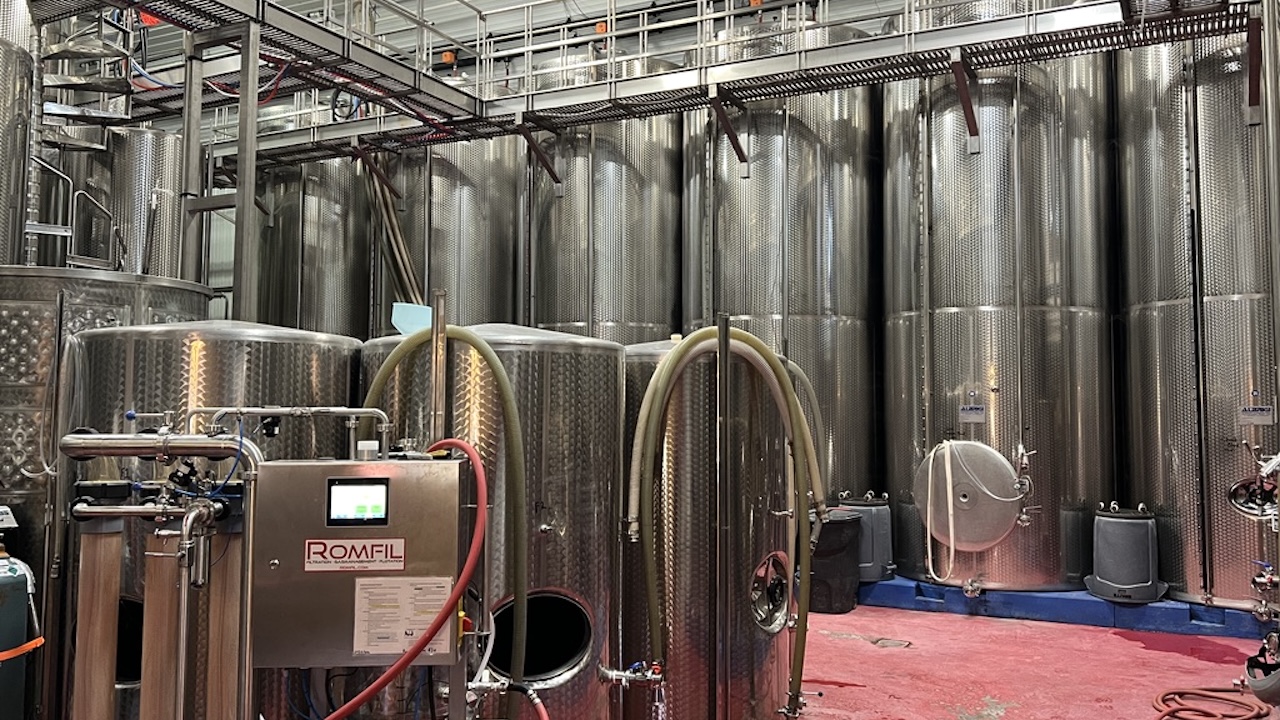
Last year, we worked with a winery struggling with seasonal labor shortages during harvest—their most critical time. We helped them electrify their tractor fleet and add autonomous capabilities for routine tasks. This freed operators to focus on high-value activities while autonomous systems handled the navigation.
The result wasn't just cost savings – from $15,000/yr in diesel costs to $0 due to onsite solar —it fundamentally transformed their operational efficiency. Farm activities such as mowing and tilling became more efficient, harvest completion time dropped, and labor costs decreased despite wage increases for the skilled positions they retained.
Moving Forward: Integration Is the Key
The manufacturers who will thrive in the next decade aren't just making incremental tweaks—they're developing comprehensive visibility and proactive strategies based on real-time data.
The real opportunity lies in integrating your approach to energy, equipment, and labor into a coherent operational strategy. That's exactly where Ampere fits in—both as a platform and a partner—helping you operate smarter, cleaner, and leaner.
Ready to transform your efficiency landscape? Let's start the conversation.