If you're running a small or mid-sized manufacturing operation and wondering if electrification is worth the investment, the answer is a resounding yes. And we’re not just talking about environmental benefits – we’re talking about your bottom line.
The Competitive Edge You Can't Ignore
The manufacturing landscape is changing fast. With a cleaner power grid and plummeting renewable energy costs, electricity has become both more affordable and sustainable. But here's what should really grab your attention: your customers and the big OEMs are watching. They want greener supply chains and partners who can help them meet their sustainability goals.
The numbers don't lie - over 70% of industrial manufacturers plan to electrify key processes by 2030. Early adopters aren't just virtue signaling; they're positioning themselves to win contracts and meet emerging ESG requirements that increasingly influence purchasing decisions.
Show Me the Money: The Financial Upside
Let's talk dollars and cents. Electric equipment typically comes with lower maintenance costs and greater energy efficiency than fossil-fueled systems. Think about it: fewer fluids to replace, fewer moving parts to break, and more precise control for optimal performance.
Unlike the roller-coaster pricing of fossil fuels, electricity costs (especially from renewables) have become more stable and competitive. That gas-fired furnace or diesel forklift you're using? Switching to an electric version could significantly reduce your operating costs over time.
The investment pays back - often faster than you might think. The U.S. Department of Energy's data shows that a typical small manufacturer can save around $55,000 annually from identified efficiency measures, typically with just a 12-month payback period. Those aren't one-time savings; they recur year after year, dramatically improving your total cost of ownership.
Even with a higher upfront cost, the lifetime savings on fuel and maintenance often make electric equipment the cheaper option in the long run. Plus, higher efficiency frequently translates to higher productivity and less downtime - another boost to your bottom line.
Real-World Opportunities: From Boilers to Forklifts
So what does electrification actually look like in practice? Here are some concrete options that small manufacturers are implementing right now:
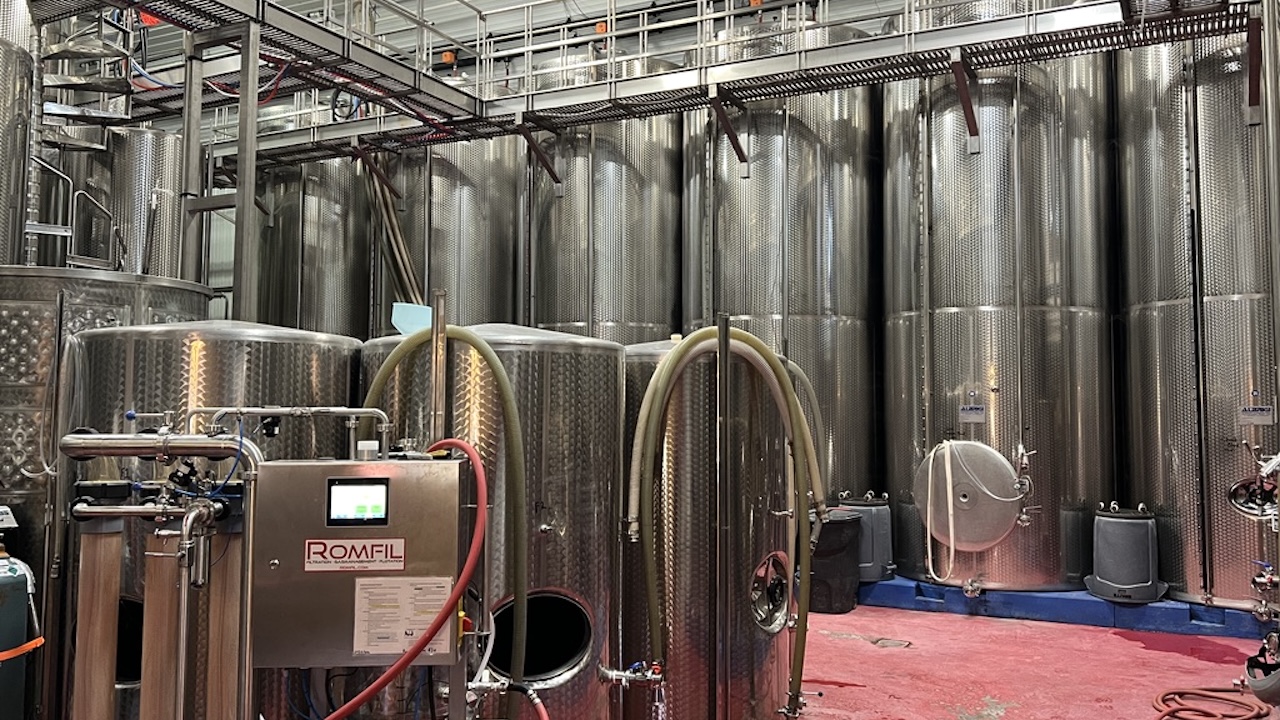
- Process Heating and Boilers: Replace those oil or gas-fired process heaters with electric alternatives like industrial heat pumps, infrared heaters, or electric boilers. Not only do you maintain output while cutting fuel costs, but many electric heating systems offer more precise control that can improve product quality.
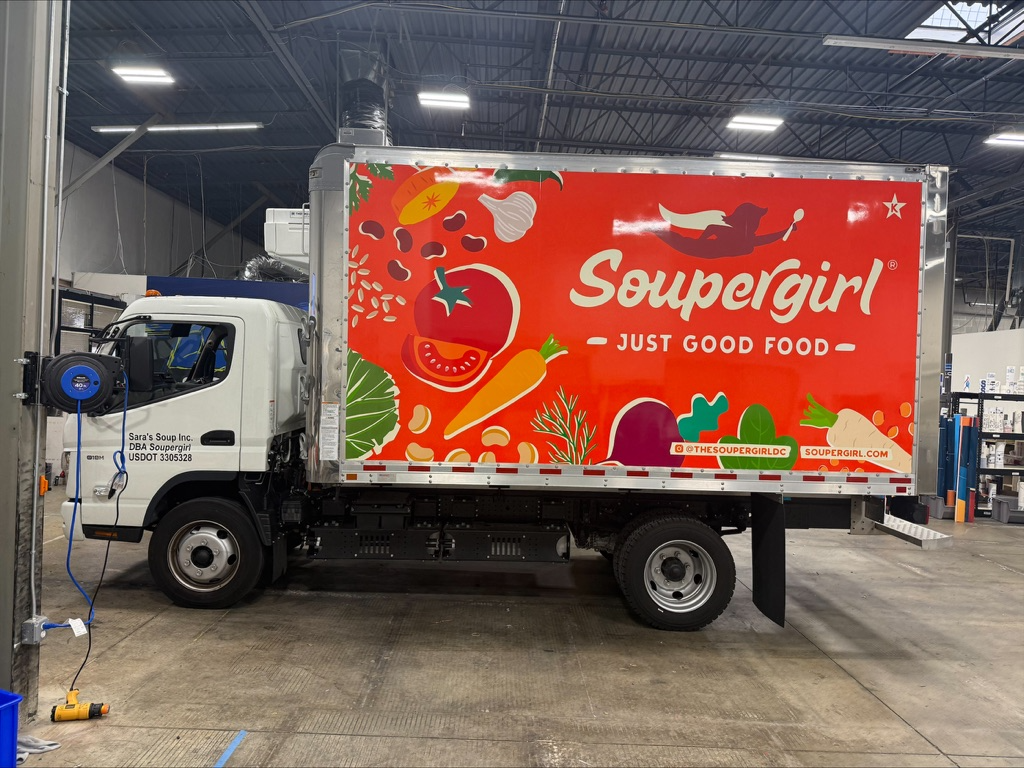
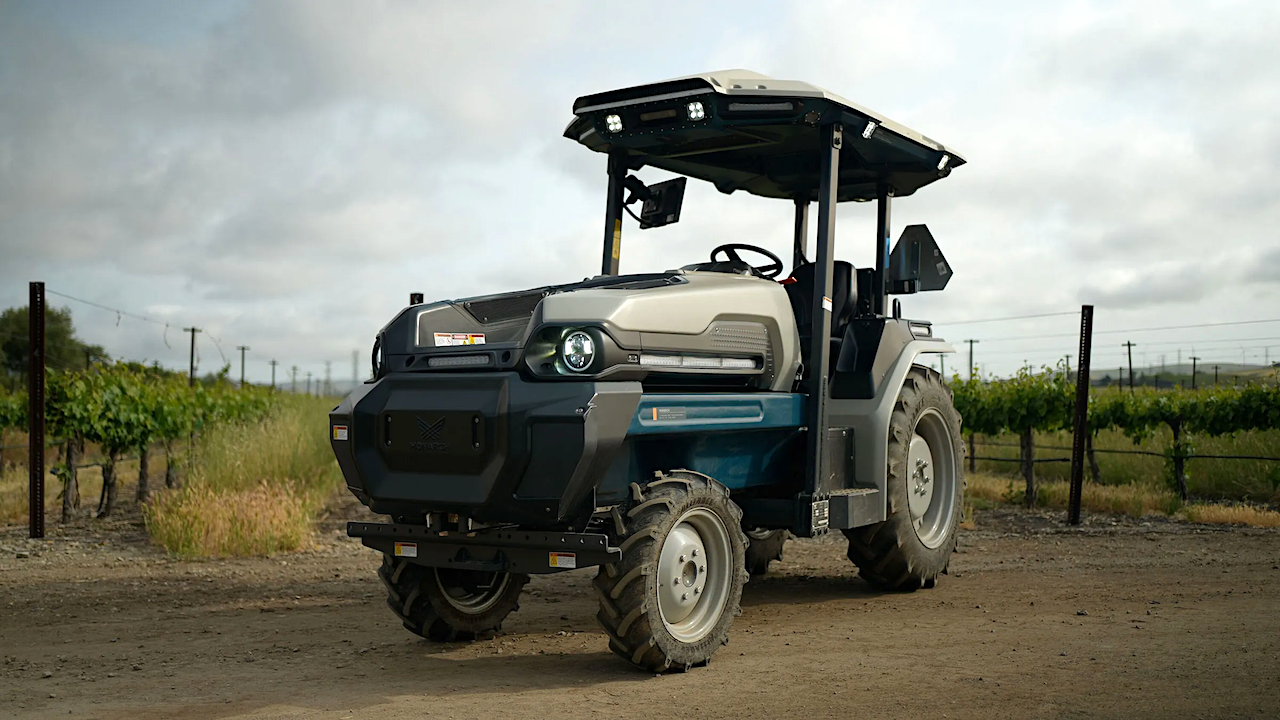
- Material Handling and Vehicles: Those diesel forklifts and on-site vehicles? Switch them to electric models and say goodbye to fuel expenses and costly engine overhauls. Bonus: you can charge them during off-peak hours for lower energy rates.
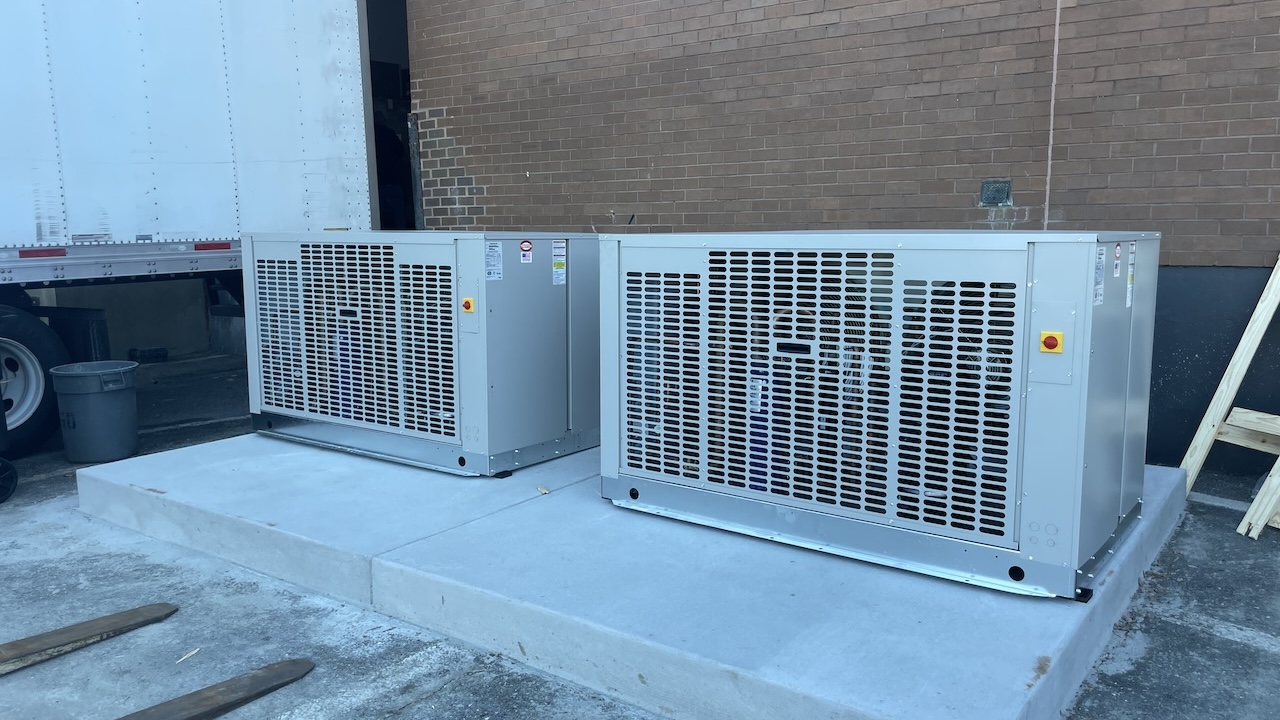
- Facility HVAC and Equipment: Converting your building heating/cooling to electric heat pump systems and upgrading to high-efficiency electric motors in production equipment can significantly reduce energy use. Modern electric HVAC units often work as both heaters and coolers, delivering year-round savings.
- On-site Power Generation: Installing solar panels or battery storage doesn't just sound futuristic - it's a practical way to supply cheap, clean electricity to your operations. With "dual use" solar setups (like solar panel canopies over parking lots), you can generate power without sacrificing space.
Free Money: Incentives That Make the Decision Easier
One of the most compelling reasons to electrify now is the unprecedented level of financial support available. Government programs can dramatically offset your upfront costs.
At Ampere, we help you navigate these incentives and integrate them into our financial models, ensuring you see the true net cost and ROI of any project. We don't just pass along information you could find on a website; we incorporate this data into a cohesive strategy for your business.
Federal and state incentives are making electrification more affordable than ever. Grants, tax credits, and low-interest financing abound for projects that improve energy efficiency or reduce carbon emissions.
Take Maryland as an example: their Commercial, Industrial & Agricultural Grant Program offers funding to local businesses for energy efficiency upgrades in factories. They've also launched a Solar Canopy and Dual-Use Technology Grant providing up to $400,000 for solar projects on commercial properties (and up to $550,000 if paired with a microgrid). Almost every state has similar incentives, and new federal programs continue to roll out.
Smart Implementation: Ampere's Data-Driven Approach
The key to successful electrification isn't just replacing equipment - it's having a strategic approach based on data. At Ampere, we use AI-powered analytics to analyze your facility's energy use and production patterns, pinpointing the most cost-effective electrification opportunities.
Our proprietary analytics dig into your unique situation: your machines, your schedule, your utility tariffs, and your local incentive programs. We might find that a particular process heater is ideal for an electric retrofit given its age and high fuel consumption, or that installing a battery could let you buy cheaper off-peak power and avoid peak demand charges.
Ampere acts like your personalized energy advisor, constantly crunching the numbers and quantifying lifetime cost benefits. We integrate data from energy price forecasts and equipment performance metrics, then convert this mountain of information into an actionable business case. Unlike a one-size-fits-all approach, Ampere isn't here to push one specific solution; we're here to find your best solution. Sometimes that's a single machine upgrade with a quick payback. Other times, it's a multi-step roadmap to fully electrify a facility over several years, timed with equipment replacement cycles.
The Time to Act Is Now
Industrial electrification is often called "beneficial electrification" for good reason: done right, it benefits your business financially while also reducing emissions and improving resilience.
For small and mid-sized manufacturers, it's no longer a question of if electrification makes sense, but when and how to do it in a way that yields the strongest returns. The economics have shifted in favor of going electric, thanks to lower operating costs, supportive incentives, and smarter tools to plan the transition.
Don't navigate these options alone. Ampere's team can provide a tailored assessment of your facility – identifying the quick wins, estimating long-term savings, and mapping out practical steps (with incentives included) to modernize your energy use.
Electrification isn't just a sustainability move; it's a strategic financial decision to future-proof your company. Contact Ampere today to schedule a personalized consultation. Let us crunch the data and show you the dollars-and-cents case for electrification at your business. The manufacturers who act now will be positioned for a more profitable, competitive, and sustainable future. The only question is: will you be one of them?